
"monsooned Malabar"
200 article(s) found

Coffee Bean producing area-Asia-India (India)
Well-known representative coffee: monsoon Monsooned Malabar India is a country that mainly drinks tea, but its coffee production ranks first in the world, and it has both Robusta and Arabica. It is also one of several countries with washing and drying methods at the same time. The coffee growing area in India is mainly in the West Gaozhi in the south of India.

Flavor characteristics of Indian monsoon Malaba coffee monsoon treatment of coffee beans
Background of Malaba in India in the 17th century a Muslim named BABA BUDAM made a pilgrimage to Mecca and brought coffee tree seeds back to India. He planted the seeds near his hut in mysore. In 1840, the British began to plan to grow coffee in South India. Karnataka, located in the southwest of malabar, India, is a major producer.

What is Indian monsoon coffee? What are the flavor characteristics of Indian-style Malaba coffee?
Professional coffee knowledge exchange more coffee bean information Please follow the coffee workshop (Wechat official account cafe_style) it is said that a long time ago, when raw coffee beans were shipped from India to Europe, changes were caused by high temperatures and moisture in the Indian Ocean, and this is where "wind stains" came from. In addition to the expansion and enlargement of the size of the raw beans after wind-soaked, the color of the raw beans is also changed from green to green.

Do you grow coffee beans in India? India's wind-stained Malabar coffee characteristics, environment and climate
Professional coffee knowledge exchange more coffee bean information please follow coffee workshop (Wechat official account cafe_style) India's main coffee-growing areas India's coffee industry is currently dominated by southern India, Karnataka, Kerala and Tamil Nadu together account for more than 90% of the country's coffee production; at present, about 250000 people in India grow coffee beans, and

What is Indian monsoon Malaba coffee? How should India's Malaba coffee be roasted?
Professional coffee knowledge exchange more coffee bean information Please pay attention to coffee workshop (Wechat official account cafe_style) Monsoon Malaba AA Indian Monsooned Malabar AA early due to slow shipping speed, coffee raw beans exported from India to Europe absorbed moisture in a humid environment during the long transport process, thus transforming and producing a characteristic raw bean that had never been seen before.
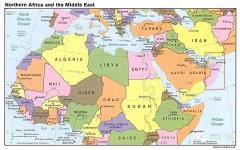
About raw beans coffee beans in Asia and Arabian Peninsula
Ndonesia Java Jumpeter Indonesia | Indonesia Java Jampit Indonesia Sumatra Manning G1 | Indonesia Sumatra MandhelingGrade1 Indonesia Sulawesi Tonaga | Indonesia Sulawesi Toraja India Indian Monsoon Malabar AA Coffee | Indian Monsooned Malabar AA Viet

Introduction to the Malaba coffee producing area in Rwanda
The inspiration story for the new limited edition premium coffee dates back more than 300 years, when coffee beans grown in South India were loaded onto British East India Company wooden sailboats and shipped to Europe. Sailing around the Cape of Good Hope in southwest Africa begins a six-month voyage where unique humidity and tropical sea breezes swell coffee beans, giving them a unique aroma and special character

Special topic on Indian Coffee | report on the brewing of Indian style-stained Malaba
Professional coffee knowledge exchange more coffee bean information please follow the coffee workshop (Wechat official account cafe_style) [monsoon stains Malaba] India Monsooned Malabar country: southern India: Malaba coast in southern India altitude: 1100-1200 m varieties: Kents,S795,Catimor,selection 9 treatment method: wind stains sun treatment method push
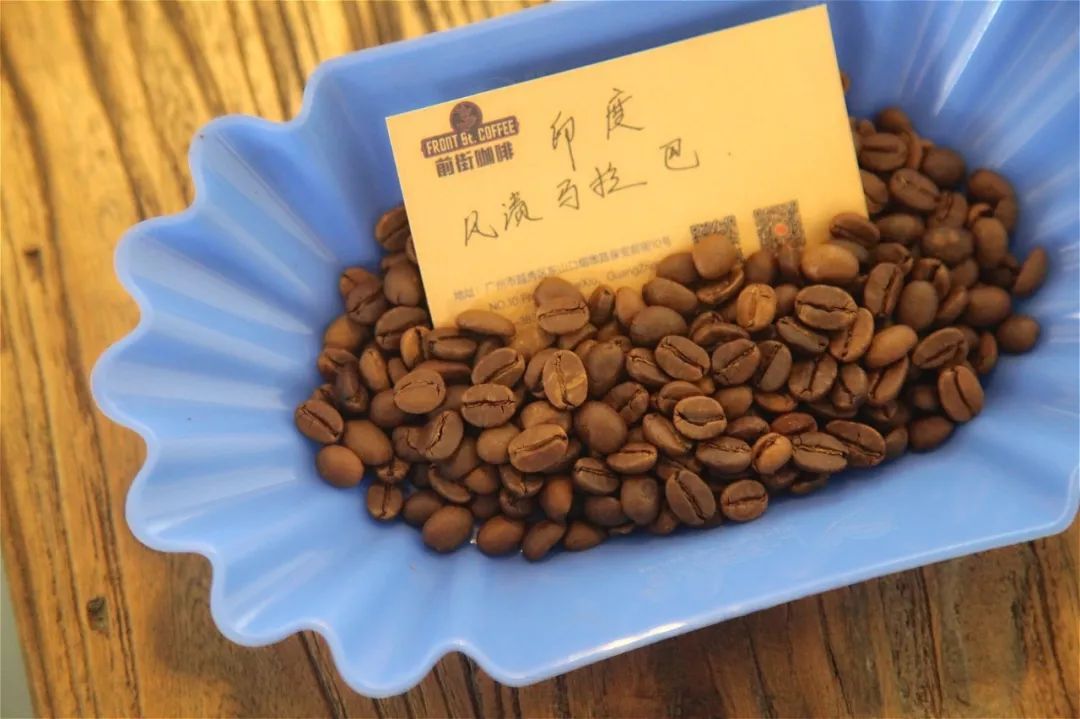
Unique Monsoon treatment-the Story of Indian Monsoon Malaba Malabr
Professional coffee knowledge exchange more coffee bean information please follow the coffee workshop (Wechat official account cafe_style) [monsoon stains Malaba] India Monsooned Malabar country: southern India: Malaba coast in southern India altitude: 1100-1200 m varieties: Kents,S795,Catimor,selection 9 treatment method: wind stain sun treatment method 01
Introduction of coffee beans and some boutique coffee in the main producing areas of coffee beans in the world (4)
Introduction of coffee beans and some boutique coffee in the main coffee producing areas of the world: Asia and Arabian Peninsula

The cradle of coffee-producing countries in Asia
Under the influence of Chinese culture, Asian tea culture is booming, while coffee appears to be on its own by comparison.

Introduction to Malaba Coffee: how to Bake Malaba Coffee and how well it is roasted
Professional coffee knowledge exchange more coffee bean information Please pay attention to the coffee workshop (Wechat official account cafe_style) wind-stained Malaba coffee beans seem to be big and fat, but they are soft beans that are strong and dry outside, a change that has taken place after months of weathering. The coffee beans have been exposed to the wet monsoon for several weeks, which not only turns the beans yellow, but also reduces the acidity of the coffee itself.
Boutique coffee recommends Indian coffee
There are several reasons why Indian coffee is popular with coffee lovers, but the most important is a process used on coffee beans, often called the monsooning process. Coffee production in India: coffee is grown in the Gozhi Mountains in western India, where the southwest monsoon is crucial to coffee growth. Except in Karnataka (Ka

Coffee flavors from different coffee producing areas in the world coffee producing areas in India
There are several reasons why Indian coffee is popular with coffee lovers, but the most important is a process used on coffee beans, often called the monsooning process. Coffee production in India: coffee is grown in the Gozhi Mountains in western India, where the southwest monsoon is crucial to coffee growth. Except in Kana.

Special topic on Coffee in India | Flavor characteristics and varieties of Indian style-stained Malaba
Professional coffee knowledge exchange more coffee bean information please follow the coffee workshop (Wechat official account cafe_style) [monsoon stains Malaba] India Monsooned Malabar country: southern India: Malaba coast in southern India altitude: 1100-1200 m varieties: Kents,S795,Catimor,selection 9 treatment method: wind stain sun treatment species

Indian Coffee Manor Arab Plantation Coffee
The best Indian coffee is also classified as Arabian plantation coffee, with the best grades A, B, C and T. Monsoon coffee is divided into high-quality Malabar (Monsooned MalabarAA grade coffee) and monsoon Bassanicoli (Monsooned Basanically) coffee. India also produces some bean-shaped berry coffee. At present, the problem facing the coffee industry is bureaucracy.

Introduction of Indian style Malaba Flavor detailed introduction of Wind stain treatment and its effect on Coffee Bean
Parwati Coffee (Wind-stained Malaba) the most famous beans in India are Monsooned Malabar and Mysore Nuggets Extra Bold, which means monsoon, so it is also known as monsoon Malaba. In the past, raw coffee beans from India were all exported to Europe, raw in the process of shipping.

The origin of coffee in India the characteristics of Indian coffee
There are several reasons why Indian coffee is popular with coffee lovers, but the most important is a process used on coffee beans, often called the monsooning process. Coffee production in India: coffee is grown in the Gozhi Mountains in western India, where the southwest monsoon is crucial to coffee growth. Except in Karnataka (Ka

Flavor and taste of Indian coffee treated by monsoon
As early as the time of the British Oriental Trading Company, coffee and spices were transported from India to large wooden ships near the Cape of good Hope. The journey took months, and the coffee was exposed to moist air and wind, changing its characteristics. The coffee turns light golden, expands, loses acidity, and has an earthy taste. Europeans like this kind of coffee and are addicted to its taste. Sue

Coffee appreciation Handbook Indian monsoon coffee beans treated by monsoon
Throughout the process, we can see that the taste of a cup of coffee can not be determined by a single link. Only when each link is handled properly can a cup of delicious, smooth and fragrant coffee appear in front of coffee drinkers. On the other hand, if anything goes wrong, it will completely destroy a cup of coffee information from the Coffee appreciation Handbook.